Streets of Memory Across Britain

Walk with us through War and Remembrance: How the World Wars Shaped British Street Naming, uncovering how ordinary corners became everyday memorials. From Victory Roads and Somme Crescents to Spitfire Ways beside former airfields, we explore decisions, emotions, and local stories that etched sacrifice into maps. Share your street’s origin, subscribe for future deep dives, and help us build a living atlas of remembrance stitched from letters, archives, and memories.

From Trench to Town: A Brief Historical Arc

Before 1914: Streets and identity

Victorian and Edwardian developments favored practical or prestigious labels, often mirroring parishes, landowners, local industries, or picturesque aspirations. This established naming grammar mattered later: when war arrived, the familiar system absorbed new commemorative intentions, letting memorial names blend into everyday life without feeling forced, symbolic yet functional for cartographers, postmen, and residents.

1918–1930: Memorialization in everyday maps

With cenotaphs rising in market squares, new cul‑de‑sacs and terraces quietly carried echoes of the front: Somme, Ypres, Verdun, Cambrai. Councils framed choices as collective mourning meeting urban growth. A mother’s letter might sway a committee, ensuring her son’s battalion lived on where washing lines fluttered and prams rattled past.

After 1945: New estates, new memories

Postwar reconstruction produced vast housing schemes near airfields and bombsites. Names reflected new heroes and technologies—Spitfire Way, Lancaster Avenue, Churchill Gardens—binding optimism to loss. Children learned history unconsciously at bus stops, while veterans recognized coded tributes that made their morning walks feel like processions through preserved, familiar courage.

Battlefields on the Map: The Names We Walk Past

Battle names stepped off newspapers and regimental flags onto signposts. Somme Crescents neighbor poppy‑bedded greens; Ypres Roads sometimes carry the soldiers’ nickname, “Wipers,” in local jokes. Such names invite questions from children, prompt stories from grandparents, and turn directions into remembrance as naturally as asking for the nearest shop.

Somme, Ypres, and Cambrai in suburbia

Look along terraced crescents built during interwar expansions and you’ll often find battlefields honored without fanfare. Residents may pronounce Ypres cheerfully wrong yet treasure its significance. The everydayness matters: remembrance thrives when it hides inside bins day, parking rules, and the reassuring steadiness of post deliveries and school bells.

Dunkirk, El Alamein, and Tobruk in postwar estates

Where prefabs once stood and garden cities spread, names from evacuation beaches and desert campaigns marked resilience. Dunkirk Drives symbolize rescue against odds; El Alamein Ways salute turning points; Tobruk Closes nod to gritty endurance. Together they sketch a domestic atlas of perseverance, mapped onto semis, cul‑de‑sacs, and playground shortcuts.

Quiet corners: Jutland, Anzio, and Arnhem cul-de-sacs

Not every commemoration dominates arterial roads. Some hide at the edge of housing loops: modest signs for naval clashes and airborne bravery, seen mostly by dog walkers and delivery drivers. Such intimacy personalizes remembrance, letting smaller communities claim kinship with vast events without slipping into grand gestures or hollow rhetoric.

People Behind the Plaques: Leaders, Pilots, and Ordinary Soldiers
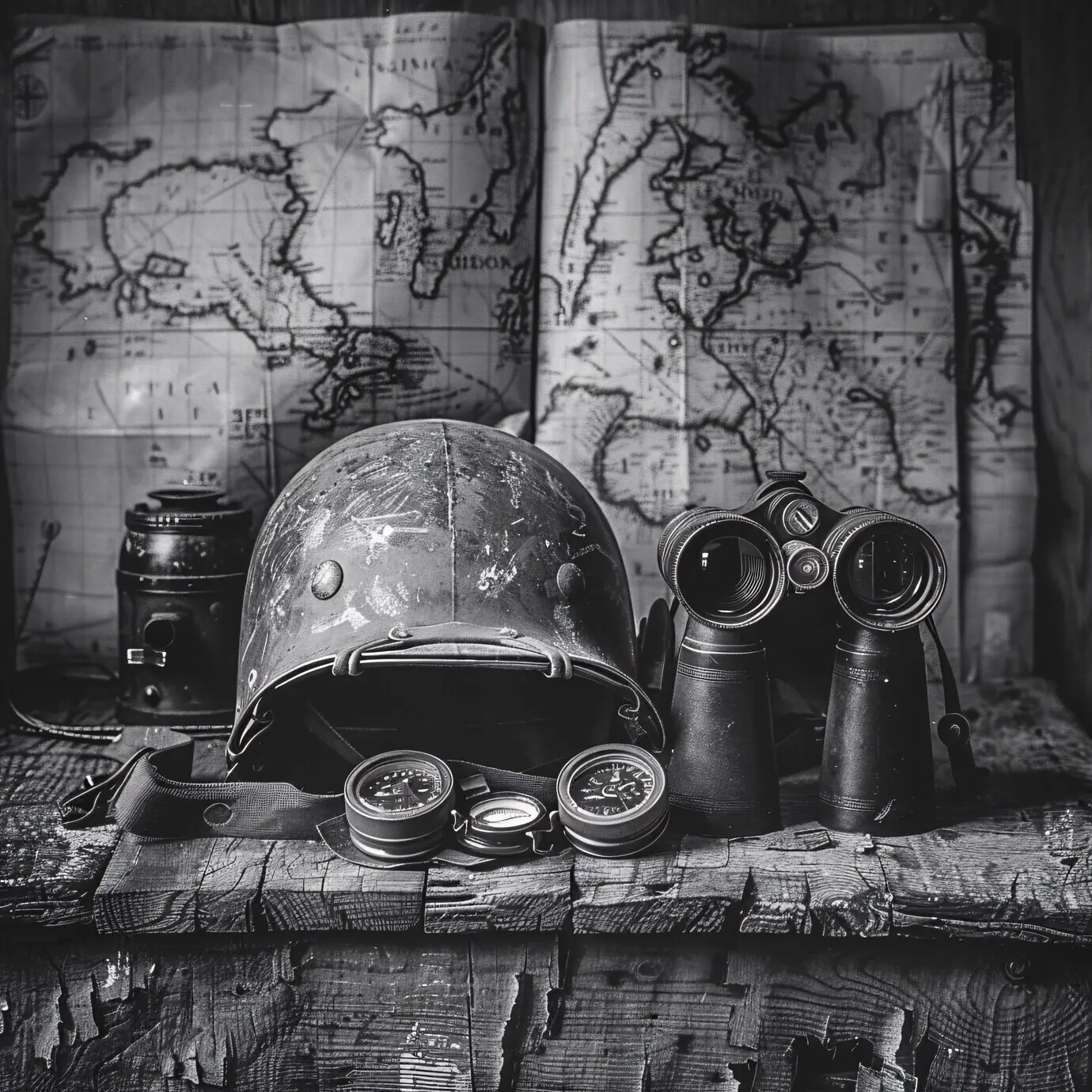
Street signs also carry names of people whose decisions, inventions, voices, or quiet courage shaped wartime Britain. Some choices spark debate; others inspire affection. Together they humanize history, moving remembrance from monuments into letterboxes, wheelie bins, and front gardens where stories can be retold without ceremony or hierarchy.

Churchill, Montgomery, and Haig debated on the signposts

Leadership invites scrutiny. A Churchill Way may feel uplifting; a Haig Avenue can reopen controversies about attrition and cost. Councils often balanced educational value with community sentiment, leaving nuanced legacies where praise and criticism coexist, encouraging residents to argue kindly about tactics while still respecting sacrifice and grief.

Barnes Wallis, Douglas Bader, and Dame Vera Lynn Close

Innovation, resilience, and morale find recognition too. A Barnes Wallis Drive remembers engineering daring; a Douglas Bader Close honors audacity after loss; roads for Dame Vera Lynn celebrate companionship in dark nights. These choices widen remembrance beyond generals, acknowledging ingenuity, stubborn hope, and the sustaining power of song and community.

Rolls of honour encoded in street grids

Occasionally, whole clusters of roads mirror battalions or memorial plaques, each name echoing a regimental tradition or local casualty list. Walking the circuit becomes an act of reading. Residents inherit alphabetized remembrance, learning neighbors’ addresses alongside a living litany of service, loss, camaraderie, and home‑front endurance.

How Councils Chose Names: Politics, Memory, and Practicalities

Naming decisions mixed sentiment with logistics. Committees weighed petitions, duplication risks, and emergency service clarity, checked historical spellings, and followed house‑numbering rules. Politics occasionally intruded, yet many minutes reveal thoughtful compromise: a wish to honor sacrifice while avoiding confusion, cost, and unintended offense on bills, satnavs, and delivery routes.

Tracing Your Street’s Story: Methods for Curious Residents

Historic Ordnance Survey sheets reveal when a lane first appears; National Library of Scotland overlays help date changes; council street‑naming committees leave minute books; modern address gazetteers and OpenStreetMap confirm spellings. Triangulate details, and you’ll transform a hunch into a documented story worthy of exhibitions, family archives, or school projects.
Oral histories illuminate what paperwork misses: who suggested the name, which shopkeeper kept the petition, how pronunciation shifted. Offer cups of tea, ask gentle questions, and record consent. Stories shared on benches or doorsteps often connect a street to wider histories, broadening empathy while preserving precious, everyday knowledge.
Turn research into connection. Create a simple web map, contribute to open datasets, or curate a pop‑up display in the library. Invite schools to add postcards about relatives, and encourage readers to comment here. Subscribe for updates as we feature remarkable stories and practical guides submitted by neighbors nationwide.

Beyond Poppies: Inclusion, Absences, and New Directions

Signposts reveal not only what is remembered but who is missing. Many communities now seek broader recognition: women munitions workers, nurses, codebreakers, Commonwealth regiments, refugees, and conscientious objectors shaping relief. Expanding commemoration carefully can strengthen belonging, ensuring memory honors courage without narrowing identity or flattening complex, interwoven histories.

Women’s war work remembered, and too often forgotten

Munitions factories stained skin yellow, creating the “Canary Girls,” yet few roads celebrate that hazardous labor. Naming can repair gaps—Nurses Walk, Factory Lane, Land Army Close—giving daughters and sons visible foremothers. Such recognition dignifies dangerous service that sustained supply lines and morale when battlefields felt unbearably distant yet ever present.

Commonwealth contributions on the corner

Millions from across the Empire and Commonwealth served, yet street signs seldom reflect Punjabi regiments, Caribbean aircrew, West African engineers, or Polish pilots stationed in Britain. Inclusive naming—supported by community consultation—can honor shared sacrifice, welcome descendants, and invite neighbors to learn stories that stretch far beyond the parish boundary.
Kexipilofizaro
Privacy Overview

This website uses cookies so that we can provide you with the best user experience possible. Cookie information is stored in your browser and performs functions such as recognising you when you return to our website and helping our team to understand which sections of the website you find most interesting and useful.