
History Written on the Corners of Britain

From Roman Roads to Norse Gates: Reading Deep Time Underfoot
01
Watling Street and Ermine Street: The Spine That Wouldn’t Vanish
Laid straight across marsh and chalk, these Roman arteries seeded later highways, parishes, and postal routes. Even when diverted, their names endure on signposts, pubs, and bus stops, reminding walkers that today’s shortcut often rides yesterday’s imperial backbone.
02
Chester, Caster, Cester: Forts Fossilized in Everyday Directions
Where endings echo fortress walls, directions hide archaeology in plain sight. Asking for the market in Leicester or Doncaster, you borrow the tongue of soldiers and scribes who mapped garrisons into memory, turning defensive geometry into everyday navigation and civic pride.
03
By, Thorpe, and Gate: Vikings Leave Directions in the Air
Step through York’s Micklegate or Coppergate and you pronounce Norse right under your breath. These endings record traders, smiths, and storytellers from sea-roving communities, their street grammar surviving conquests, plagues, and planning committees with stubborn, musical clarity.
King Street, Queen’s Road, Victoria Street: Loyalty Paved in Stone
Whitehall and Downing Street: Government Hidden in Plain Sight
Smithy Row and Foundry Road: Echoes of Hammer and Flame
Canal Street, Railway Terrace, Station Road: Timetables Reshaped the Day
Battles, Oceans, and the Long Shadow of Empire
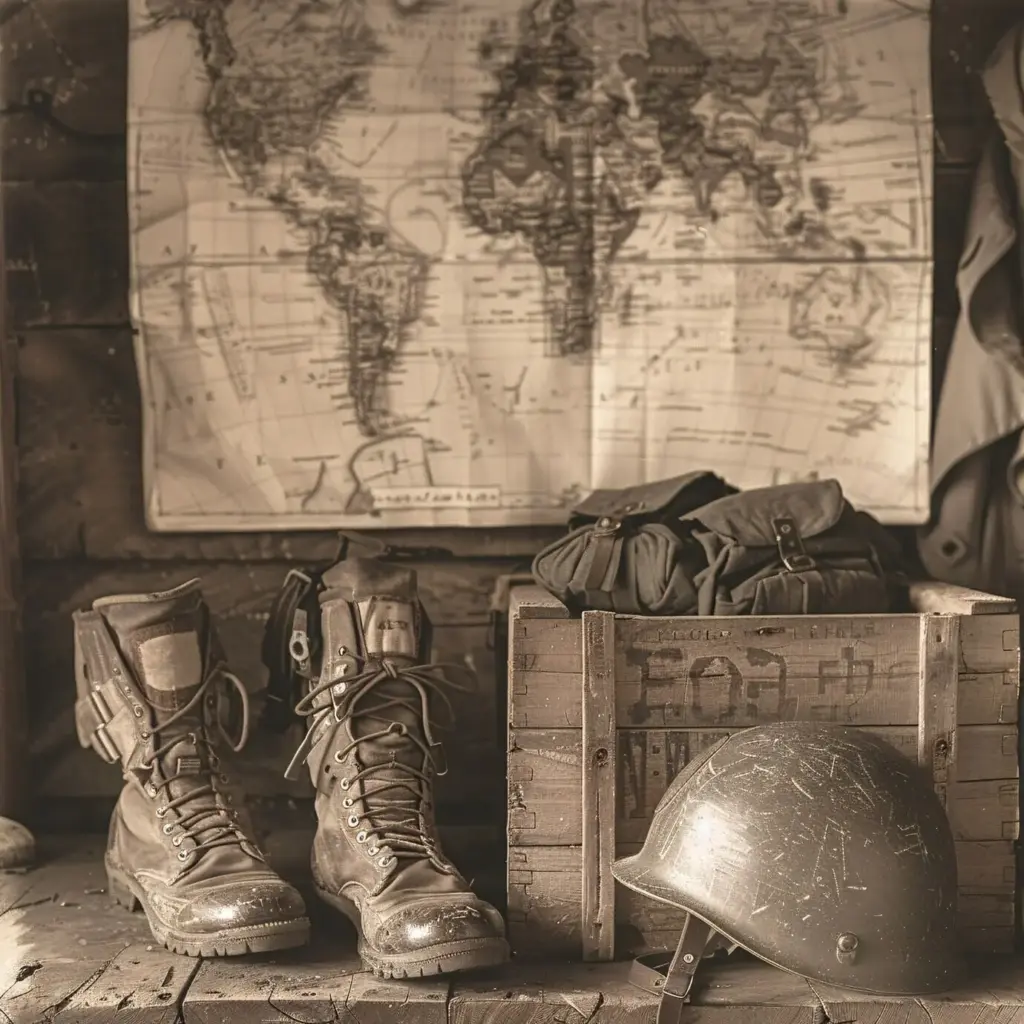
Trafalgar, Nelson, and Waterloo: Victory Turned into Wayfinding
After 1815, Waterloo and Trafalgar multiplied, turning victories into wayfinding. The rhythm of those words keeps cannon smoke in cultural memory, yet also invites questions about empire’s costs, conscription, and the quiet aftermath experienced by families far from the parade ground.
Jamaica Street and India Way: Empire Compressed into a Sign
After 1815, Waterloo and Trafalgar multiplied, turning victories into wayfinding. The rhythm of those words keeps cannon smoke in cultural memory, yet also invites questions about empire’s costs, conscription, and the quiet aftermath experienced by families far from the parade ground.
Memorial Avenue and Churchill Way: Rituals Along the Kerb
After 1815, Waterloo and Trafalgar multiplied, turning victories into wayfinding. The rhythm of those words keeps cannon smoke in cultural memory, yet also invites questions about empire’s costs, conscription, and the quiet aftermath experienced by families far from the parade ground.
Everyday Corners: Home, Faith, and the Social Map
Church Street, School Lane, Hospital Road: Coordinates of Care
Mews, Close, Crescent, Circus, Square: The Shape of Streets
Workhouse Lane and Gallows Hill: Keeping the Hard Stories Visible
Signs, Laws, and the Making of a Name
Renaming, Reckoning, and Community Voice

All Rights Reserved.