




Names on the Map, Stories in Dispute

Today we explore Contested Memory: Debates over Renaming Streets Across the UK, following how signposts, maps, and everyday addresses carry legacies of empire, migration, industry, and protest. Through cases, voices, and practical guidance, we consider what keeps, what changes, and how communities negotiate justice, belonging, and clarity. Join the conversation, share your street’s story, and help map a fairer future.

Why Names Matter on the Map

Street names shape memory, directions, and daily routines, binding neighbourhoods to layered histories that are sometimes celebrated and sometimes contested. When a sign recalls violence or exclusion, residents feel it in mail, identity, and pride. Exploring motives for change, we highlight care, accuracy, and community healing while inviting your reflections and local examples.

How Renaming Works in UK Councils

Behind every altered sign hangs a paper trail. Local authorities interpret legislation, publish consultations, and consider objections alongside equality duties. Emergency services and delivery networks require clarity. We unpack stages, timelines, and safeguards so residents can participate confidently, advocate respectfully, and anticipate consequences for addresses, archives, and neighbourhood cohesion.

Case Files from Across the Country

Real places reveal the complexities better than abstract arguments. From suburban Southall to inner London and coastal cities, decisions have combined symbolism with logistics. We revisit moments of change, ongoing deliberations, and cautious refusals, asking what each locale teaches about participation, evidence, fairness, compromise, and sustainable civic trust.

Alternatives to Erasure: Reinterpretation and Layers

Some communities prefer to add context rather than change names outright, building layers that confront injustice while preserving navigational continuity. Plaques, counter-monuments, storytelling trails, and museum partnerships can complicate nostalgia. We examine methods that invite reflection without abandoning wayfinding, encouraging residents to engage, learn, and keep history publicly accountable.

Contextual plaques that confront difficult facts

A well-researched plaque can name profits from slavery, dispossession, or violent labor regimes, while also acknowledging resistance and survival. When written collaboratively and translated where needed, these markers transform familiar corners into open-air classrooms, inviting repeated encounters rather than one-time ceremonies that fade from public attention.

Dual naming and multilingual recognition

Some councils explore dual naming that preserves existing references while elevating suppressed languages or overlooked figures. Bilingual signs can normalize diversity, strengthen links to diasporic communities, and spark curiosity. Clear typography, map updates, and educational materials ensure visitors understand the system and residents feel respected rather than displaced.

QR codes, archives, and augmented reality walks

Digital tools allow deeper dives without cluttering posts with paragraphs. Scannable codes can link to archives, oral histories, and curated debates, preserving disagreement alongside scholarship. Augmented routes turn familiar pavements into portals, sustaining curiosity beyond headlines and inviting schools, families, and newcomers to keep exploring together.

Who Gets Heard: Voices in the Conversation

Decisions sound simple until we ask who is speaking, who is tired of explaining pain, and who benefits from delay. Fair processes honour lived experience and inconvenient facts. We outline methods for gathering testimony, preventing harassment, and ensuring meetings feel welcoming, multilingual, and accessible online and in person.

From Street Signs to Schoolbooks: Education and Legacy

Lasting change depends on what children learn and how adults keep learning. Integrating local streets into lessons about empire, migration, and labour makes debates tangible, while libraries and museums sustain curiosity. We share practical activities, reading lists, and partnership models that connect civic decisions to everyday classrooms and kitchens.

Curricula that connect local streets to global histories

A class could map nearby names, identify commemorated industries, and interview elders about remembered changes. Linking these findings to broader histories of the Atlantic, South Asia, and Europe turns abstract dates into recognisable routes. Teachers gain resources, students gain agency, and families join conversations previously confined to town halls.
Youth councils and intergenerational dialogue

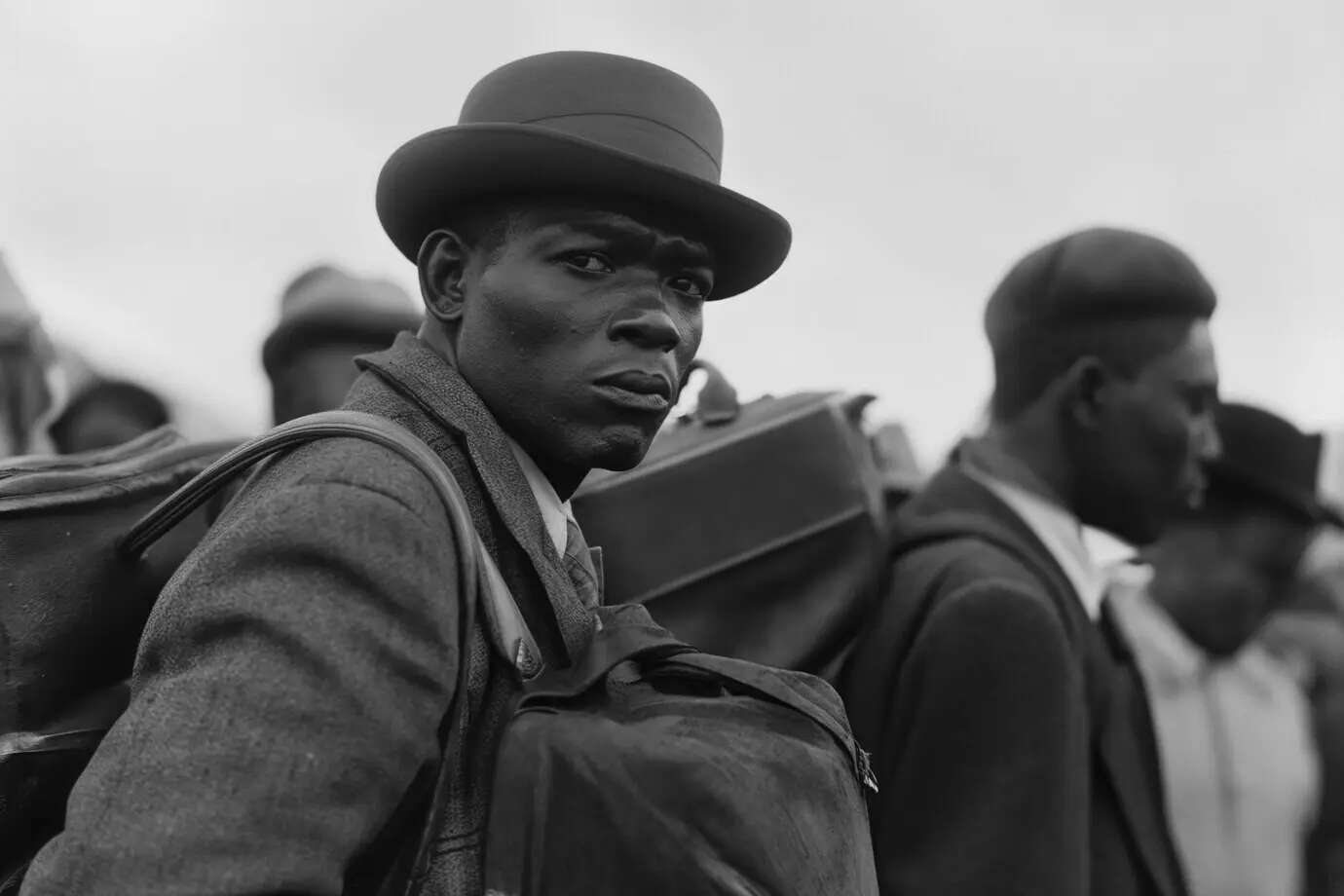
Young people often navigate spaces differently, noticing contradictions adults ignore. Creating youth panels, pairing pupils with retirees, and hosting bilingual storytelling nights broadens empathy. When councils publicly commit to act on recommendations, participants see their contributions matter, strengthening trust and setting habits for civic engagement that endure beyond school years.
How to keep the conversation going responsibly

Momentum fades unless leaders cultivate regular check-ins. Publish updates, report on outcomes, and invite reflective sessions after changes take effect. Share mistakes alongside successes. Encourage readers to comment, subscribe, and send local case studies so future posts can feature lessons learned, tools, and voices from many postcodes.

Kexipilofizaro
Privacy Overview

This website uses cookies so that we can provide you with the best user experience possible. Cookie information is stored in your browser and performs functions such as recognising you when you return to our website and helping our team to understand which sections of the website you find most interesting and useful.