Streets That Remember Her

Walk with us into overlooked corners of everyday maps, where plaques, posts, and signboards whisper histories many never learned at school. Today we shine a light on Women Commemorated in British Street Names: Recovering Forgotten Figures, inviting you to trace lives hidden behind typography, questions, and footsteps. Expect practical guidance, stirring stories, and ways to help communities recognise pioneers, caregivers, organisers, rebels, and artists whose names deserve to be spoken aloud, celebrated publicly, and carried confidently into the future.

Why So Few Names? A Walk Through History

Across towns and villages, street naming once mirrored power structures: landowners, military heroes, industrialists, and donors dominated the landscape, while women’s achievements were consigned to households, footnotes, or anonymous labels. Understanding this imbalance matters because absence shapes memory. When a child navigates daily along avenues highlighting only certain lives, it quietly tells them who counts. We explore the slow shifts, contested commemorations, and the push to broaden honour beyond battlefield triumphs toward care work, community leadership, scientific insight, and brave dissent.

How to Unearth the Stories Behind the Signs

Good research blends open data with attentive listening. Public gazetteers, mapping platforms, and digitised newspapers provide leads, while oral histories reveal nuance. To verify identities behind identical surnames, triangulate documents and avoid assumptions about gender, ethnicity, or class. Approach families and communities respectfully, especially when stories carry trauma or contested legacies. Cite sources clearly, share methods transparently, and invite corrections. This collaborative approach ensures each rediscovered woman becomes more than a symbolic placeholder—she becomes a full, complex person anchored in context.

Mining Open Maps and Registers

Start by exporting street lists from local authority datasets, OS Open Names, and community mapping projects. Search for forenames commonly linked to historic women, but never infer identity from a name alone. Cross-check council minutes, dedication plaques, and planning notices. Freedom of Information requests can clarify tricky renaming histories. Keep a clean, versioned spreadsheet that logs evidence quality, sources, and doubts. Transparency helps collaborators trust your findings, and it helps readers see that careful verification is part of respectful commemoration.

Listening to Streetside Voices

Ask shopkeepers, caretakers, bus drivers, and long-time residents what they know. Local history societies, women’s institutes, and diaspora associations often keep memories not found in official files. Record conversations with consent and credit contributors openly. Community knowledge can link a name to a midwife who served generations, a teacher who opened doors, or a striker who fought for safer mills. These personal textures transform a line on a map into a living biography, strengthening pride and deepening connection to place.

Lives Hidden in Plain Sight
Behind certain corners lie extraordinary journeys. Consider a wartime nurse whose compassion bridged continents, a clandestine radio operator who refused surrender, or a visionary mathematician who imagined computing’s future. These names, affixed to cul‑de‑sacs or mews, are not decorative flourishes; they are invitations to learn. By pairing each sign with accessible storytelling, schools, libraries, and clubs can connect young readers to role models who changed medicine, intelligence work, and technology, expanding ideas about courage, brilliance, and everyday public service.

Renaming, Rebalancing, and Restoring Memory
Rebalancing commemorations is not about erasing history; it is about adding clarity, breadth, and fairness. Successful proposals address community benefit, educational value, and strong evidence. They respect local heritage, consult widely, and plan for practicalities like addressing systems and emergency services. Where names are contested, dialogue matters. Clear criteria, open minutes, and public workshops build trust. By championing caregivers, campaigners, scientists, artists, athletes, and organisers, councils and residents can craft a streetscape that honours many forms of courage and achievement.

Making Signs Speak: Design, Tech, and Storytelling
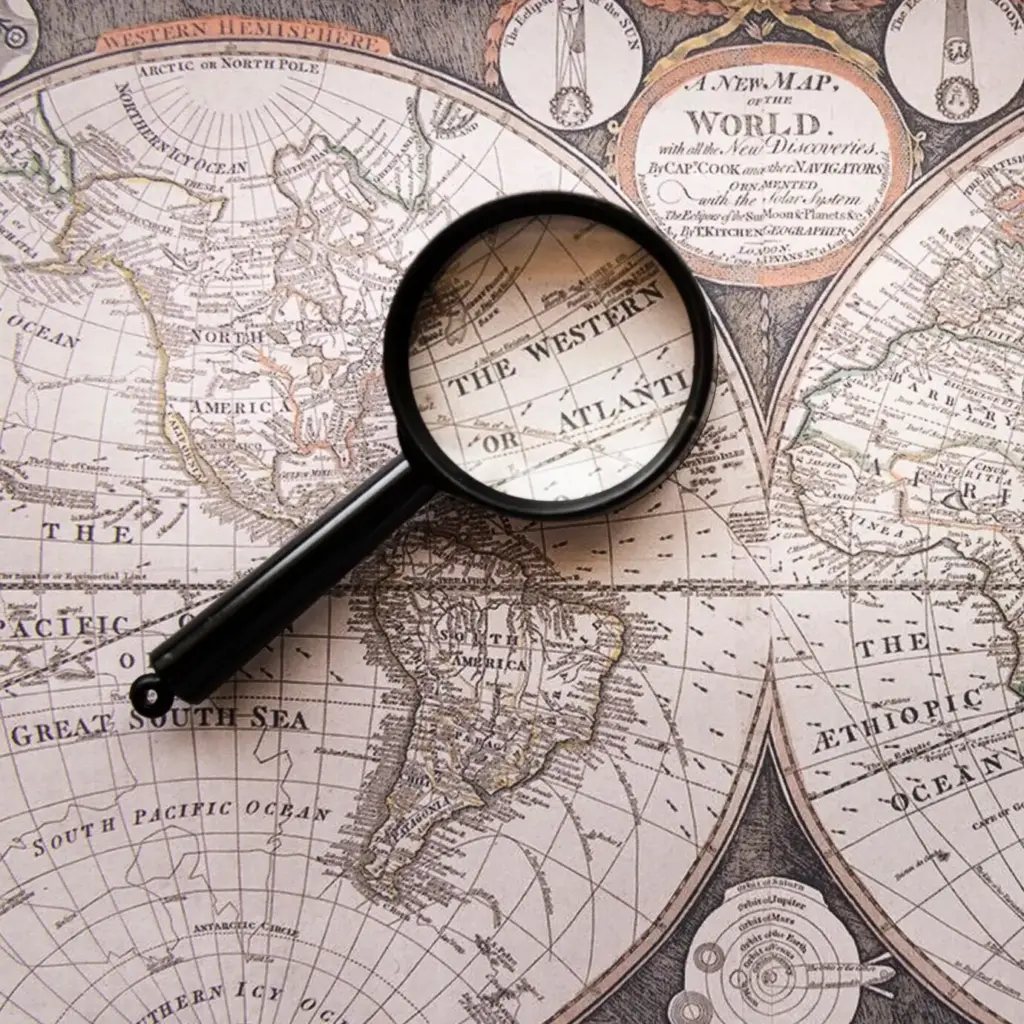
The sign is only the start; stories bring it alive. Thoughtful typography, readable contrast, and clear wayfinding aid every passerby. Add QR codes linking to well-researched profiles, photographs, and lesson plans. Layer audio guides for those who prefer listening, and include transcripts for accessibility. Consider multilingual summaries in areas with diverse communities. When design, technology, and narrative collaborate, a familiar corner transforms into a learning gateway, inviting residents and visitors to engage, reflect, and carry newfound knowledge into conversations that travel further.

Join the Walk: Share, Subscribe, and Keep It Moving

Your knowledge can change the map. Share a street, submit a source, or tell us about a woman whose name deserves a corner. Sign up for updates, volunteer for research sprints, or host a neighbourhood survey. We prioritise accuracy and care, welcoming corrections and thoughtful debate. Together we can broaden recognition, build a living atlas that learns, and ensure young people grow up surrounded by names that mirror humanity’s breadth—curiosity, compassion, ingenuity, and courage—across every postcode and path they call home.
Kexipilofizaro
Privacy Overview

This website uses cookies so that we can provide you with the best user experience possible. Cookie information is stored in your browser and performs functions such as recognising you when you return to our website and helping our team to understand which sections of the website you find most interesting and useful.